
Top Home Insulation FAQs Answered for Energy Efficiency Improvements

Improving your home's energy efficiency often starts with one key upgrade: better insulation. Yet, many homeowners have questions about the types of insulation, how they work, and when to invest in them. This guide answers the most common home insulation questions and clears up misconceptions. Whether you’re curious about attic insulation, spray foam, or R-values, this post will help you make informed decisions to keep your home comfortable and energy bills low.
What is Attic Insulation and Why Does It Matter?
Attic insulation is one of the most effective ways to improve your home's energy efficiency. Since heat rises, a poorly insulated attic lets warm air escape in winter and hot air enter in summer. This forces your heating and cooling systems to work harder.
Common attic insulation materials include fiberglass batts, blown-in cellulose, and spray foam. Each has different benefits:
Fiberglass batts are affordable and easy to install but may leave gaps if not fitted properly.
Blown-in insulation fills irregular spaces better and can be added over existing insulation.
Spray foam insulation creates an airtight seal, offering superior energy savings but at a higher cost.
Adding or upgrading attic insulation can reduce heating and cooling costs by up to 20%, making it a smart investment.
What is Spray Foam Insulation and When Should I Use It?
Spray foam insulation is a liquid that expands to fill cracks and gaps, creating a tight seal. It comes in two types: open-cell and closed-cell.
Open-cell spray foam is softer and more flexible, ideal for interior walls and soundproofing.
Closed-cell spray foam is denser, providing better moisture resistance and structural support.
Spray foam is excellent for sealing hard-to-reach areas and preventing air leaks. It also acts as a vapor barrier, reducing moisture problems. However, it costs more than traditional insulation and usually requires professional installation.
What is Batt Insulation and How Does it Compare?
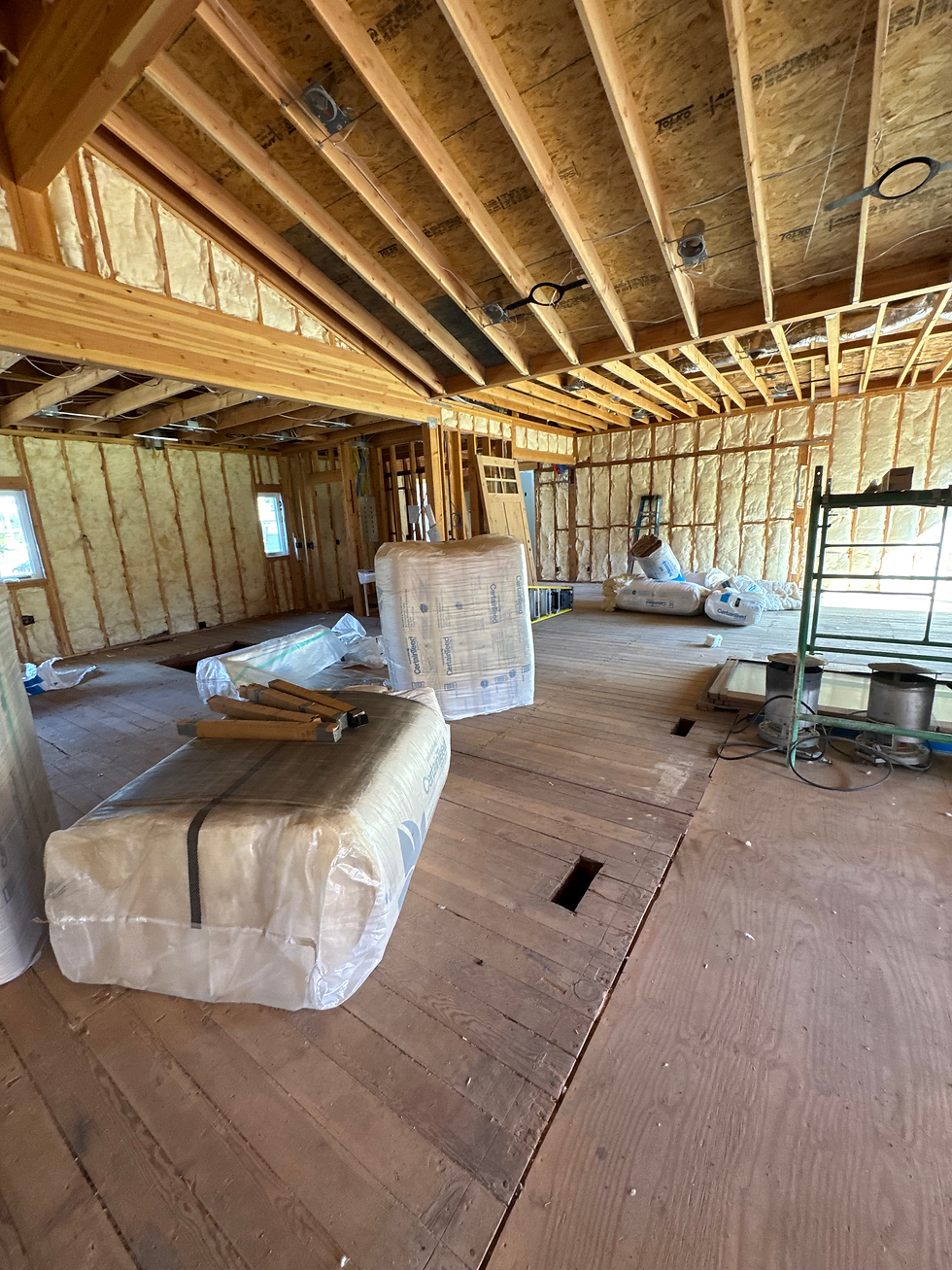
Batt insulation consists of pre-cut panels made from fiberglass or mineral wool. It fits between wall studs, floor joists, and ceiling rafters.
Pros of batt insulation:
Easy for DIY installation
Cost-effective
Fire-resistant options available
Cons:
Must be installed carefully to avoid gaps
Less effective in irregular spaces compared to blown-in or spray foam
Batt insulation works well in new construction or during remodeling when wall cavities are open.
What is Blown-In Insulation and What Are Its Benefits?
Blown-in insulation uses loose fibers or pellets, such as cellulose or fiberglass, blown into spaces using special equipment.
Benefits include:
Fills gaps and hard-to-reach areas
Can be added over existing insulation
Good for attic floors and wall cavities
Blown-in insulation is a popular choice for retrofitting older homes because it improves coverage without major demolition.
What Does R-Value Mean and Why is It Important?
R-value measures insulation’s resistance to heat flow. The higher the R-value, the better the insulation performs.
Attic insulation typically requires R-values between 30 and 60, depending on your climate.
Walls usually need R-values between 13 and 21.
Floors and basements have different R-value recommendations.
Choosing the right R-value helps maintain consistent indoor temperatures and reduces energy costs. Local building codes often specify minimum R-values for different parts of your home.
Can Insulation Help with Soundproofing?
Yes, some insulation types also reduce noise transmission. Fiberglass batts and mineral wool are especially good at absorbing sound.
Spray foam can help seal gaps that let sound through, but it is not primarily designed for soundproofing. If noise reduction is a priority, combining insulation with other soundproofing materials like drywall or acoustic panels works best.
What is a Vapor Barrier and Do I Need One?
A vapor barrier is a material that prevents moisture from passing through walls or ceilings. Moisture can cause mold, wood rot, and reduce insulation effectiveness.
In colder climates, vapor barriers are usually installed on the warm side of insulation to keep moisture from entering walls. In warmer, humid climates, vapor barriers may be placed differently or avoided to prevent trapping moisture.
Your local climate and home construction type determine if and where a vapor barrier is necessary.
What Are the Signs My Home Needs More Insulation?
Look for these signs that your home may need better insulation:
Uneven temperatures between rooms or floors
High energy bills despite normal usage
Drafts near windows, doors, or attic access
Ice dams forming on the roof in winter
Walls or ceilings feeling cold to the touch
Visible gaps or compressed insulation in the attic
If you notice any of these, an insulation inspection can identify problem areas and recommend solutions.
Upgrading your home insulation improves comfort, lowers energy bills, and can increase your property’s value. Understanding the differences between attic insulation, spray foam, batt, and blown-in options helps you choose the best fit for your home. Remember to consider R-values, vapor barriers, and soundproofing needs when planning your project.
Small catch on the spray foam line about it acting as a vapor barrier. That’s true for closed-cell, usually at around two inches. Open-cell is vapor open, so in a cold climate it usually needs a separate plan for moisture. Homeowners hear “vapor barrier” and assume either one seals moisture out, and then they get surprised by condensation inside a wall. We sort out which foam goes where before we talk about moisture, since the two answers are tied together. It’s how our commercial building insulation experts plan larger jobs too.